

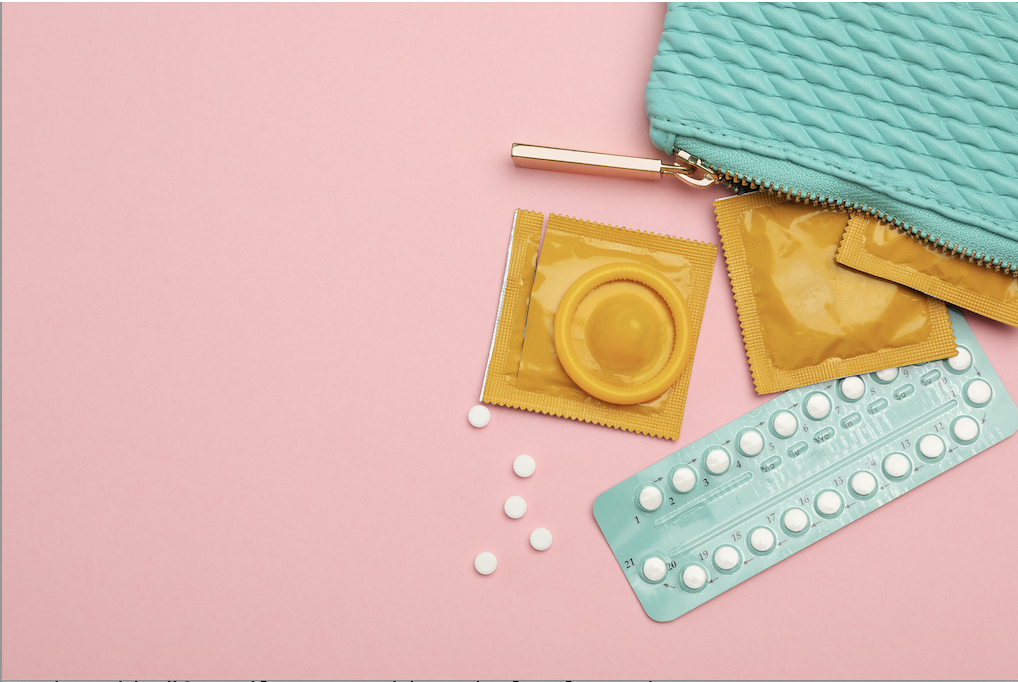
The Local Government Association (LGA) has called for a ten-year sexual health strategy.
The request comes after NHS digital published reproductive health services statistics.
The figures primarily covers contraceptive activity taking place at dedicated Sexual and Reproductive Health (SRH) services in England, as recorded in the Sexual and Reproductive Health Activity Dataset (SRHAD), a mandated collection for all providers of NHS SRH services. Data from GP settings and pharmacies is not included (unless otherwise stated).
The figures show a 0.6 per cent decrease in contraception-related contacts with SRH services compared to 2022-23. This is a decrease from 1.07 million to 1.06 million contraception-related contacts. Overall contacts (includes those for non-contraception reasons) increased by 16% over the same period.
There was a 54 per cent uptake of long acting reversible contraceptives - this is a decrease of 1 percentage point, from 55 per cent in 2022-23.
13 per cent more emergency contraceptive items were provided by SRH services compared to 2022-23. Emergency contraception provision is now similar to the pre-Covid pandemic level.
Cllr David Fothergill, Chairman of the Local Government Association’s Community Wellbeing Board, said: "Councils are working tirelessly to improve access to contraception and other sexual health services, including expanding online consultations, establishing dedicated women’s health hubs, and improving services for under-served communities. However, rising demand, coupled with declining funding, is making this essential work unsustainable, putting services at breaking point.
“We are calling on the Government to launch a 10-year sexual health strategy to tackle these challenges and use the upcoming Autumn Budget to invest in the public health grant, which funds vital preventative services like sexual and reproductive health.”