

The government has allocated £15.6 million to upgrade 94 heat networks across England and Wales, to the benefit of more than 10,000 residents as well as hospitals and charities.
Improvements will include replacing leaky pipes, insulating pipework to reduce heat loss and replacing interface units in homes so residents have better control of their heating.
Four heat network projects across England will also receive a share of £25 million to provide clean, affordable and reliable power.
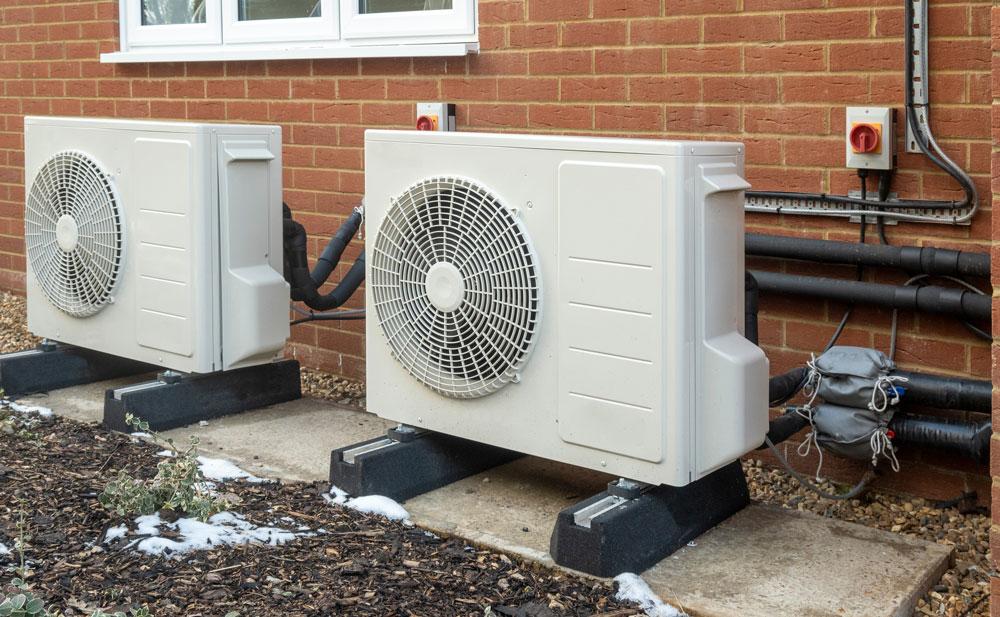
£13.5 million will be spent to expand the Bristol City Leap heat network, which will use heat pumps to deliver fossil-fuel-free heating to more homes and businesses, and create more than 1,000 jobs, apprenticeships and work placements.
In Rochdale, £1 million will help to build a heat network which takes heat from a sewer going through the town to provide low carbon heat to public buildings such as colleges and schools, Rochdale Infirmary, businesses and residential buildings, including social housing.
The announcement follows the government’s commitment in January to allocate £195 million a year for the Green Heat Network Fund and £15 million a year for the Heat Network Efficiency Scheme to 2029/30 in the Warm Homes Plan.
The latest round of funding through the Heat Network Efficiency Scheme will upgrade 94 systems including: £1.2 million to improve the older heating system of three 1960s high rise blocks in Salford; £2.1 million to upgrade five heat networks in Solihull, serving 484 residents; and £2.1 million for efficiency upgrades on two heat networks in Camden, London, improving the service for 358 residents.
Funding from the Green Heat Network Fund includes £8.6 million to support the next phase of the King’s Cross Heating and Cooling Network in London, which serves more than 1,700 homes and 44 buildings using heat pumps and £2.2 million to build a heat network in Atherstone, Warwickshire, taking waste heat from the Baddesley Energy from Waste facility to supply low-carbon heating to 1,700 homes.
Minister for Energy Consumers Martin McCluskey said: "The conflict in the Middle East has shown once again why we must get off the fossil fuel rollercoaster and onto clean, homegrown power we control.
"Heat networks will play a crucial role in that shift, lowering bills for whole communities while strengthening our energy security.
"That’s why we’re upgrading old and inefficient systems and investing in modern, low-cost networks fit for the future."