

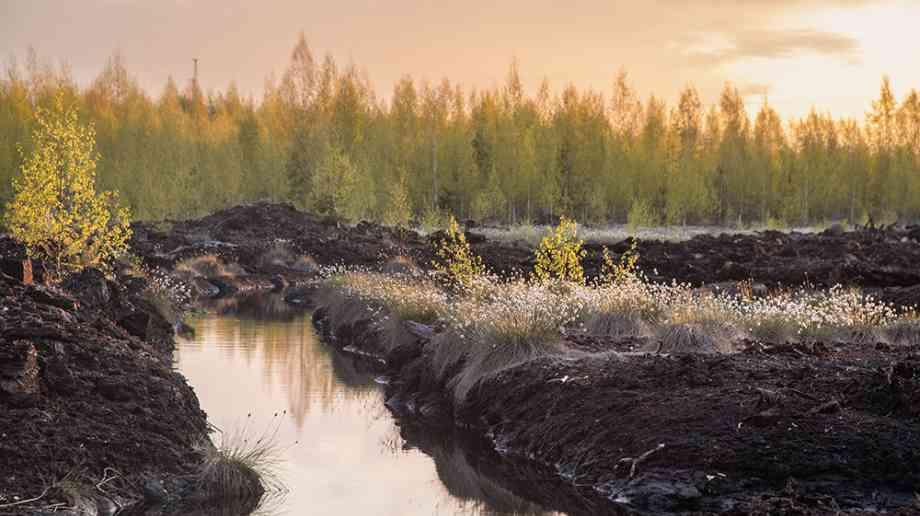
Twelve projects are to receive a share of £16 million to restore peatlands across England.
The government has a commitment to restore approximately 35,000 hectares of peatland in England by the end of this Parliament. It is hoped that the funding will help tackle climate change and recover biodiversity.
Peatlands contain over half of the country’s terrestrial carbon stores and provide a haven for wildlife, as well as supporting better water quality and natural flood management. However, 87 per cent of England’s peatlands, including lowland peatlands are degraded, damaged and dried out, therefore emitting tonnes of carbon dioxide each year.
Areas set to receive funding include Somerset, County Durham, the Great North Bog, Dorset Heaths and Lincolnshire Fens.
Environment minister Rebecca Pow said: "Our peatlands hold over half of our terrestrial store of carbon, but with just 1% in a near natural state and soils drying out we must take urgent action to prevent further carbon from being emitted into the atmosphere.
"Backed by over £16 million of government funding these new landscape-scale projects will drive collaboration and supercharge peatland restoration across the country to tackle climate change and fight biodiversity loss.
Tony Juniper, chair of Natural England said: "Peatlands bring multiple benefits for society and the economy. They are huge carbon stores and also massive water filters that enable rivers to run clear. They comprise vital natural flood defences because of how they store water and on top of that support, they support many iconic wildlife species such as the Curlew. Wild peatlands also contribute to public health and wellbeing through providing wonderful opportunities for outdoor recreation.
"Restoring peatland landscapes to a healthy ecological state will ensure these benefits are protected, enhanced and handed on to future generations. I’m delighted these grants will bring more peatlands into the Nature Recovery Network that is so important for delivering our ambition for improving the natural environment in England."