

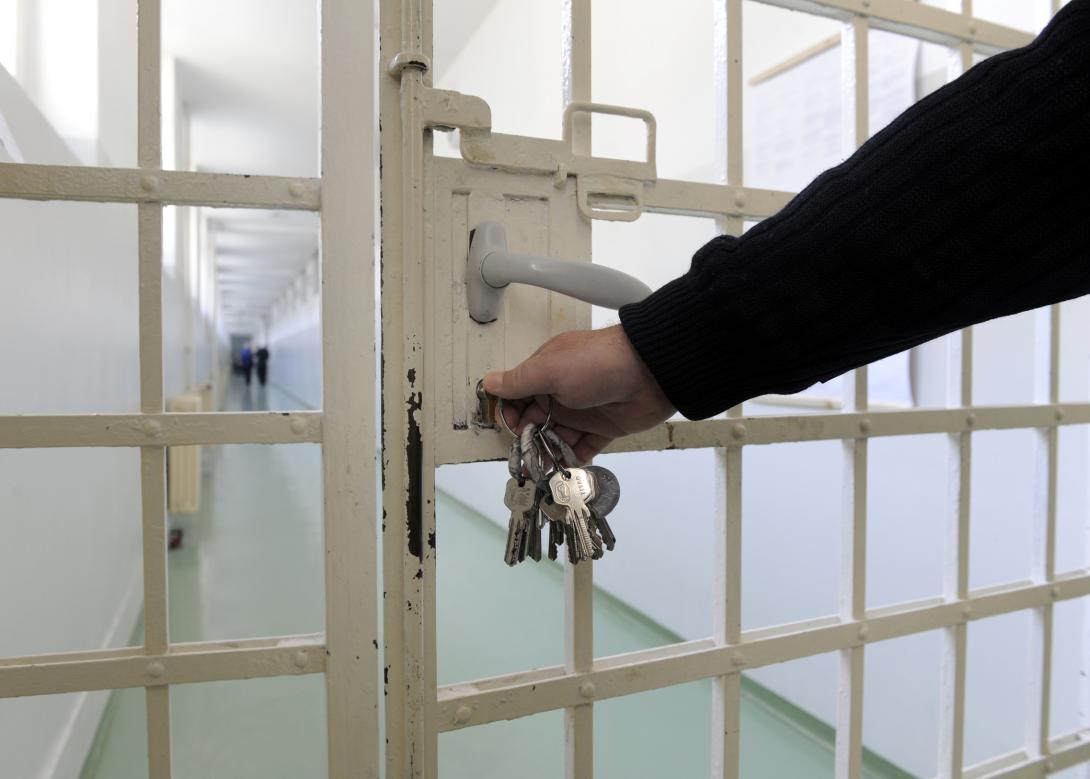
Rates of self-inflicted deaths and self-harm in prison have risen significantly in the last five years, a new report has found.
The report, conducted by the National Audit Office (NAO) and titled Mental health in prisons, also found that self-harm rose by 73 per cent between 2012 and 2016, and in 2016 alone there were 40,161 incidents of self-harm in prisons. There were 120 self-inflicted deaths in prison in 2016 compared to almost half the amount the year before, which is the highest year on record.
The report explains that in 2016 the Prisons and Probation Ombudsman found that 70 per cent of prisoners who had committed suicide between 2012 and 2014 had mental health needs. Though the Ministry of Justice and its partners have undertaken work to identify interventions to reduce suicide and self-harm in prison, these have not yet been implemented.
The NAO suggests that the government should address the rising rates of suicide and self harm in prisons as a matter of urgency, and that mentally ill patients should wait no more than 14 days to be admitted to a secure hospital. It says the process for transferring prisoners is complex and that delays can have a negative impact on prisoners’ mental health and they may be kept in unsuitable conditions such as segregation units.
Amyas Morse, head of the NAO, said: “Improving the mental health of those in prison will require a step change in effort and resources. The quality of clinical care is generally good for those who can access it, but the rise in prisoner suicide and self-harm suggests a decline in mental health and well-being overall. The data on how many people in prison have mental health problems and how much government is spending to address this is poor. Consequently government do not know the base they are starting from, what they need to improve, or how realistic it is for them to meet their objectives. Without this understanding it is hard to see how government can be achieving value for money.”