
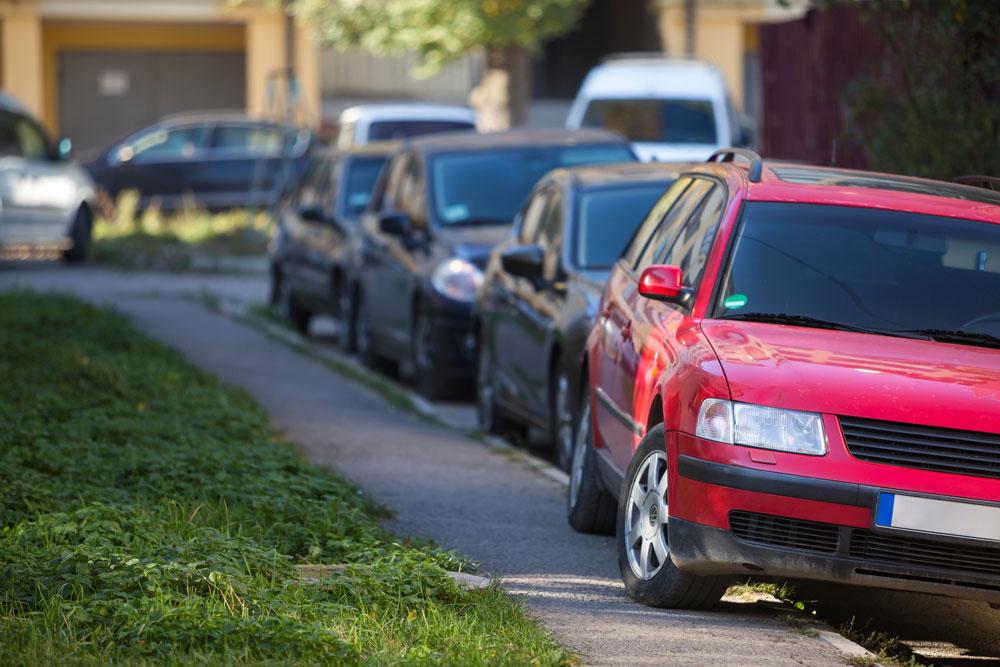
Local leaders will get new powers to to introduce pavement parking restrictions across their area. This will help keep pavements clear and accessible.
Blocked pavements can be a problem for pushchairs, wheelchair users, blind and partially sighted people and older people.
After a public consultation, the Department for Transport has confirmed that local leaders will be given new and improved legal powers to make it easier to restrict pavement parking across wider areas, rather than relying on the previous approach, where action is often limited to individual streets and requires lengthy, complex processes.
The department will set out guidance to help local authorities use these powers in a proportionate and locally appropriate way later in 2026.
Local Transport Minister, Lilian Greenwood, said: "Clear pavements are essential for people to move around safely and independently, whether that’s a parent with a pushchair, someone using a wheelchair, or a blind or partially sighted person.
"That’s why we’re giving local authorities the power to crack down on problem pavement parking, allowing more people to travel easily and safely and get to where they need to go."
Mayor of the West Midlands, Richard Parker, said: "Clear pavements matter. For parents with pushchairs, wheelchair users and people who are blind or partially sighted, a blocked pavement is not a minor inconvenience – it can stop a journey altogether and is a risk to people’s safety.
"Most drivers want to park safely and considerately and these new powers help in areas where dangerous parking causes real problems.
"Giving decisions to local leaders means solutions that reflect how our streets actually work. It’s a practical step that helps people move around safely, confidently and independently in their own communities."