
The government has announced regulations to be laid in parliament to require minimum service levels for rail workers, ambulance staff and border security staff in an attempt to "mitigate disruption and ensure vital public services continue if strikes are called".
The government stated that "the minimum service levels are designed to be effective and proportionate by balancing the ability to take strike action with ensuring we can keep our borders secure, supporting people to make important journeys including accessing work, education, and healthcare, and allowing people to get the emergency care they need".
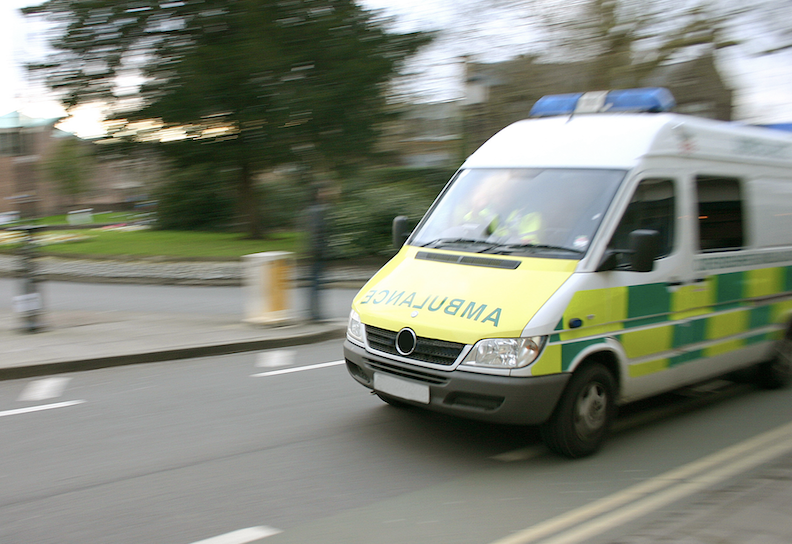
Minimum service level regulations for ambulance workers will require that cases that are life-threatening, or where there is no reasonable clinical alternative to an ambulance response, are responded to.
For train operators, it will mean the equivalent of 40 per cent of their normal timetable can operate as normal and, in the case of strikes that affect rail infrastructure services, certain priority routes can remain open.
Employers will be able to issue work notices to identify people who are reasonably required to work to ensure minimum service levels are met.
Unions will be required to take reasonable steps and ensure their members who are identified with a work notice comply and if a union fails to do this, they will lose their legal protection from damages claims.
Prime Minister Rishi Sunak said: "We are doing everything in our power to stop unions de-railing Christmas for millions of people. This legislation will ensure more people will be able to travel to see their friends and family and get the emergency care they need.
"We cannot go on relying on short term fixes - including calling on our Armed Forces or civil servants - to mitigate the disruption caused by strike action.
"That’s why we’re taking the right long-term decision to bring in minimum service levels, in line with other countries, to keep people safe and continue delivering the vital public services that hard-working people rely on."
Transport secretary, Mark Harper said: "For too long, hard working people have been unfairly targeted by rail union leaders - prevented from making important journeys, including getting to work, school or vital hospital appointments.
"Minimum Service Levels will help address this by allowing the rail industry to plan ahead to reduce disruption for passengers while ensuring workers can still exercise their ability to strike.
"An improved service on strike days will allow passengers to continue with their day-to-day lives and support businesses, particularly in the hospitality sector."
Health and Social Care Secretary Steve Barclay said: "Patients must be protected and strikes in ambulance services could put the lives and health of the public at risk, given their essential role in responding to life threatening emergencies.
"While voluntary agreements between employers and trade unions can still be agreed ahead of industrial action, these regulations provide a safety net for trusts and an assurance to the public that vital emergency services will be there when they need them.
"We will continue to take steps to protect patient safety and ensure health services have the staff they need to operate safely and effectively, no matter the circumstances."