

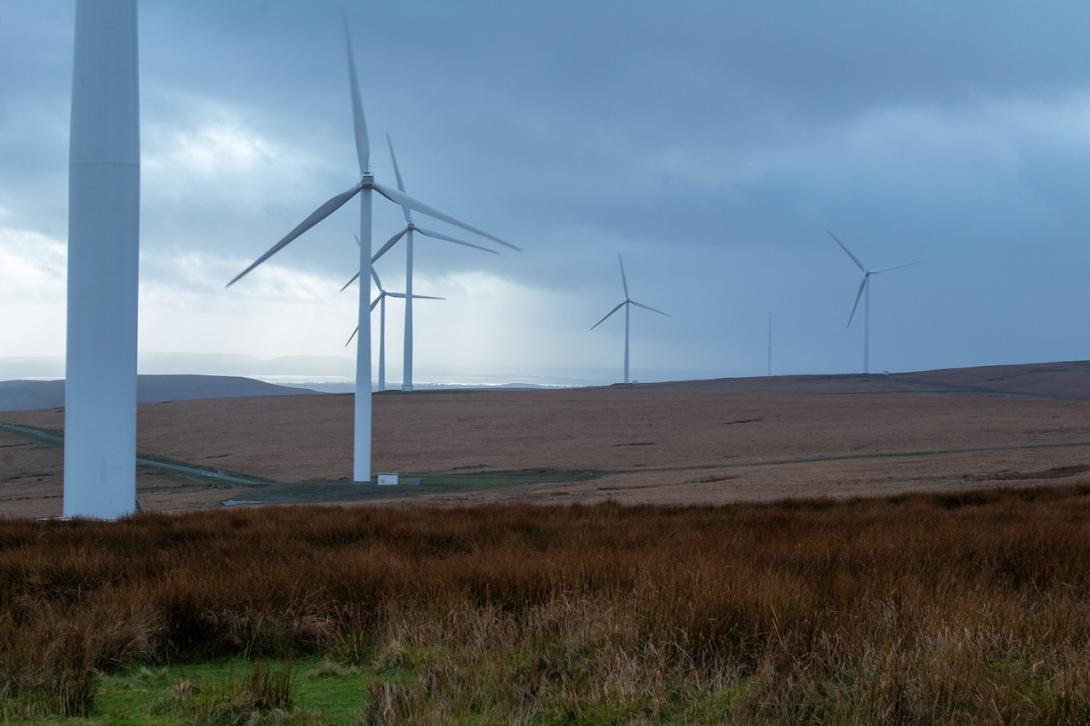
The government has announced new measures so that onshore wind projects supported by local people will be approved more quickly in England.
The government says it has streamlined planning rules, so local areas will have a greater say in how onshore wind projects should be considered and hopefully reduce energy bills and increase national energy security.
The measures include widening the ways that suitable locations can be identified, including by communities, and speeding up the process of allocating sites by giving alternatives to the local plan process.
Renewable energies fuelled 42% of the UK’s electricity generation in 2022, up from 7% in 2010.
The government has confirmed that communities are able to bring forward proposals for onshore wind – planning policy will be changed to make clear onshore wind developments can be identified in several ways rather than through local plans. This includes through Local Development Orders and Community Right to Build Orders. It was also confirmed that councils should consider the views of the whole community, rather than a small minority, when considering a planning application. This includes addressing the planning impact of onshore wind projects as identified by local communities.
Secretary of state for levelling up, housing and communities, Michael Gove said: "To increase our energy security and develop a cleaner, greener economy, we are introducing new measures to allow local communities to back onshore wind power projects.
"This will only apply in areas where developments have community support, but these changes will help build on Britain’s enormous success as a global leader in offshore wind, helping us on our journey to Net Zero."
Secretary of state for energy and net zero, Claire Coutinho said: "The Energy Bill is the most significant piece of energy legislation in a generation and will help us provide a cleaner, cheaper and more secure energy system for the UK.
"Renewables are a crucial part of our energy transition. They accounted for just 7% of our electricity generation in 2010, and almost 48% in the first quarter of this year. The UK is already home to the world’s 4 largest offshore wind farms, and we have invested and made available over £1 billion for Sizewell C – the first direct state backing of a nuclear project in over 30 years.
"Onshore wind also has a key role to play and these changes will help speed up the delivery of projects where local communities want them."