
Dr Gavin Dunn, chief executive at the FPA, outlines the association’s priorities for 2026, calling for tougher enforcement, higher competency standards, safer schools, stronger product regulation, and a fire‑safe transition to net zero
For decades the Fire Protection Association has worked to reduce risks and improve fire safety in UK buildings, sharing fire safety guidance and information with government, industry, insurers, our members, and the wider public. In 2024, we launched our first policy manifesto to coincide with both the change in government and the recent major updates in the built environment sector with regards to fire safety. The FPA’s objective is to protect people, property, and the UK environment whilst enabling innovation in the construction and property sectors, without compromising fire safety. The policy positions that we will be actively pursuing throughout 2026 are designed to help us achieve this.
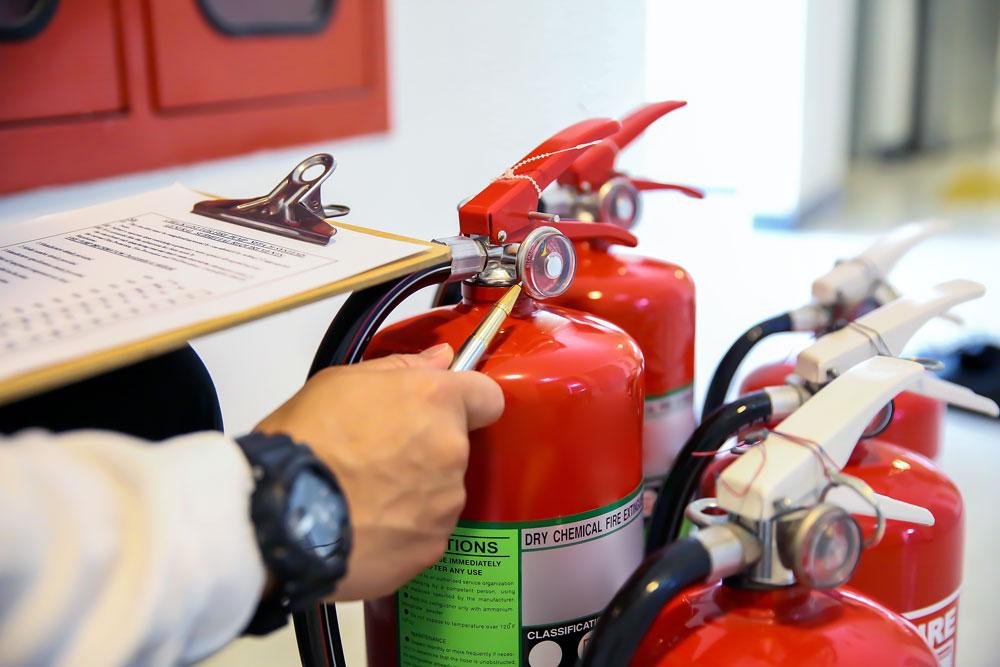
The success of this mission relies on collaboration with government, regulators, and industry, and the FPA stands ready to collaborate with all stakeholders to advance the pragmatic and achievable policies listed.
The five initiatives outlined below can be implemented by government using existing powers and we believe would drive the transformative change which we consider to be essential.
By prioritising fire safety in the following ways, we can protect lives, enhance the economic value of the built environment, and contribute to the overall wellbeing and prosperity of society.
Our manifesto policies for 2026 are: prosecute those who have failed to remediate unsafe buildings; regulate the ongoing competency of fire risk assessors; mandate sprinkler protection in schools; accelerate construction product safety reforms and establish the new regulator; and support the safe transition to net zero.
1. Prosecute those who have failed to remediate unsafe buildings
We believe it is necessary to take action against those who have put others’ lives at risks by not discharging their duties and enforcement plays a key role in improving standards across the built environment sector.
The industry has been warned for several years that the Building Safety Regulator (BSR) is going to ‘prosecute hard and prosecute early’, but while the government has given the regulator those powers, meeting the evidential requirements for criminal prosecution is proving difficult and we are yet to see any enforcement action penalising those not discharging their duties. The collapse of the trial in May 2025 relating to the Beechmere retirement complex fire is one example of the challenges and complexities of effective enforcement.
Until stronger action is taken against poor performers across the construction supply chain, those who have been doing the right thing by sincerely investing in competency, systems, and compliance are at risk of being undermined economically.
2. Regulate the ongoing competency of fire risk assessors
In addition to all fire risk assessors being appropriately qualified and certified under a suitable UKAS accredited scheme, it is important that their ongoing professional development is properly regulated to maintain competence.
The necessary announcement of mandatory UKAS accreditation and the publication of the competence standard BS 8674 marks a significant step in the right direction. Further clarity is still needed to determine how both capacity and competence will be managed in the marketplace, but by establishing minimum standards for fire safety assessments, it ensures that poor practices are identified and rectified efficiently, thereby providing accountability and enhancing the overall safety of buildings.
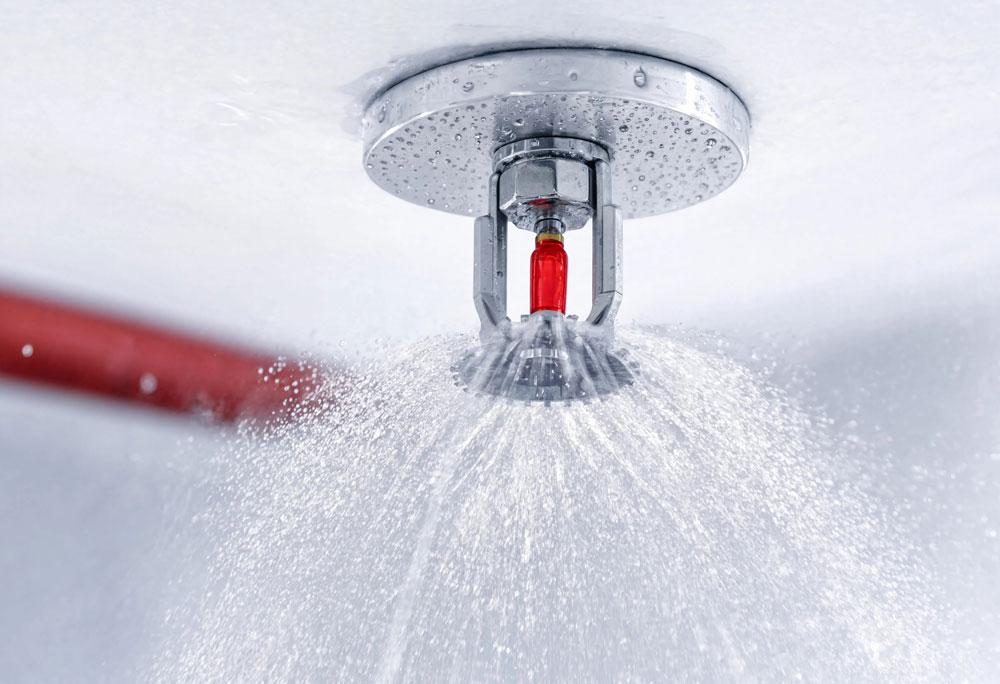
3. Mandate sprinkler protection in schools
Data from the insurers Zurich indicate that school fires disrupt the education of 90,000 pupils per year, and it is widely reported that schools are a target for arson as they are unoccupied for long periods at a time during school holidays. England remains behind Scotland and Wales where the installation of sprinklers in all new build and fully refurbished schools is mandated. Faced with this data, we believe that the installation of sprinkler systems in all new and majorly refurbished schools should be mandated to protect young vulnerable people and preserve the social value of educational facilities is paramount.
The development of school buildings to less resilient constructions can mean a higher incidence of fire initiation and greater loss should the fire take hold. The loss of these buildings has a profound impact on communities, beyond the economic cost of simply rebuilding. When it comes to protecting the most vulnerable in society, the new requirement for sprinklers in all new care homes is encouraging but the guidance and position on schools remains unclear as whilst Building Bulletin 100 (BB 100) recommends sprinklers in all new schools, it is being circumvented.
4. Accelerate construction product safety reforms and establish the new regulator
Whilst the publication of the Green Paper on Construction Products Reform and the continued use of the CE mark are positive indications of the direction of travel, the government’s commitment to overhaul the construction products regulatory regime is a large and complicated undertaking.
The Grenfell Inquiry Phase 2 Report provides a clear recommendation that the construction regulator should be responsible for assessing the conformity of construction products with the requirements of legislation, statutory guidance, and industry standards, creating a new independent authority to regulate construction product safety.
To address these issues surrounding the compliance of safety-critical construction products and systems we encourage government to accelerate construction product safety reforms and the establishment of the new regulator.
The compliance of construction products and systems to relevant, robust standards is essential to ensure fire safety. Clear standards, testing, and certification processes will protect against unsafe product use and enhancing overall building safety.
5. Support the safe transition to net zero
While the journey to net zero is essential and the rapid evolution of technologies and materials used in construction promise greater efficiency and sustainability, they introduce new risks, necessitating a revaluation and adaptation of existing practices and protocols.
With many of the go-to technologies for decarbonisation introducing increased flammability, promoting sustainable building practices while addressing inherent fire risks is vital in preventing fire-related building losses. High-performance insulation materials, lightweight construction technologies, timber, and renewable energy systems such as solar panels, thermal or battery storage, heat pumps, and refrigeration technology all introduce different fire risks that need to be understood and addressed.
Additionally, any fire in a building will have direct embodied carbon impact through the loss of the original building itself as well as the need to build a replacement. Therefore fire safety is a critical part of sustainability and aligns with the UK’s sustainability goals.
We support the development of policies enabling the transition to net zero but would like to see a focus on guidance relating to new energy technologies and low carbon construction techniques that could detrimentally impact fire safety and property resilience.
Stepping in the right direction
A year ago, the FPA published a series of policy statements calling for fire life safety and property protection to be placed at the heart of the government’s built environment strategy. Since then, we have seen the release of the final Grenfell Tower Inquiry Phase 2 report, listing 58 key recommendations, followed by the government’s welcome response to accept all of them in principle.
Over the course of the following twelve months, actions were taken on some of the key challenges our sector is facing and that were highlighted by the 2024 policy manifesto. One of them was the new, albeit long overdue, requirement for sprinklers in all new care homes, which the FPA strongly welcomed. The guidance and position regarding schools, however, remains disappointingly unclear, with current safety recommendations being circumvented, hence the focus on sprinklers in schools remains a manifesto policy moving into 2026.
On the other hand, the government’s actions regarding fire risk assessors and construction product regulation reform mark two significant steps in the right direction. For the former we have seen the necessary announcement of mandatory UKAS accreditation and updated standards on fire risk assessor competency in the form of BS 8674. In the case of the latter, the government have shown their commitment to overhaul the construction products regulatory regime by the release of the Construction Products Reform Green Paper and the associated consultation in the first half of 2025.
We await the government’s next steps in the process of implementing these reforms and the FPA remains committed to supporting these become actionable and impactful changes in the built environment sector.
Conclusion
The FPA’s 2026 policy manifesto follows on from the previous year’s policies and outlines a clear and actionable path towards delivering fire safety across the UK. By adopting these policies, the government can significantly improve the safety of people and resilience of buildings, fostering a safer and more prosperous future for all. The FPA stands ready to support the government in achieving these initiatives and will provide research insights and expert knowledge. Through robust testing, risk surveying, auditing services, and the delivery of fire safety qualifications and training we can support the sector to do the right thing whilst helping them thrive in the new and changing market. M